Alexander Technique for Pain
Finding Your Innate Support — with Lyra Butler-Denman
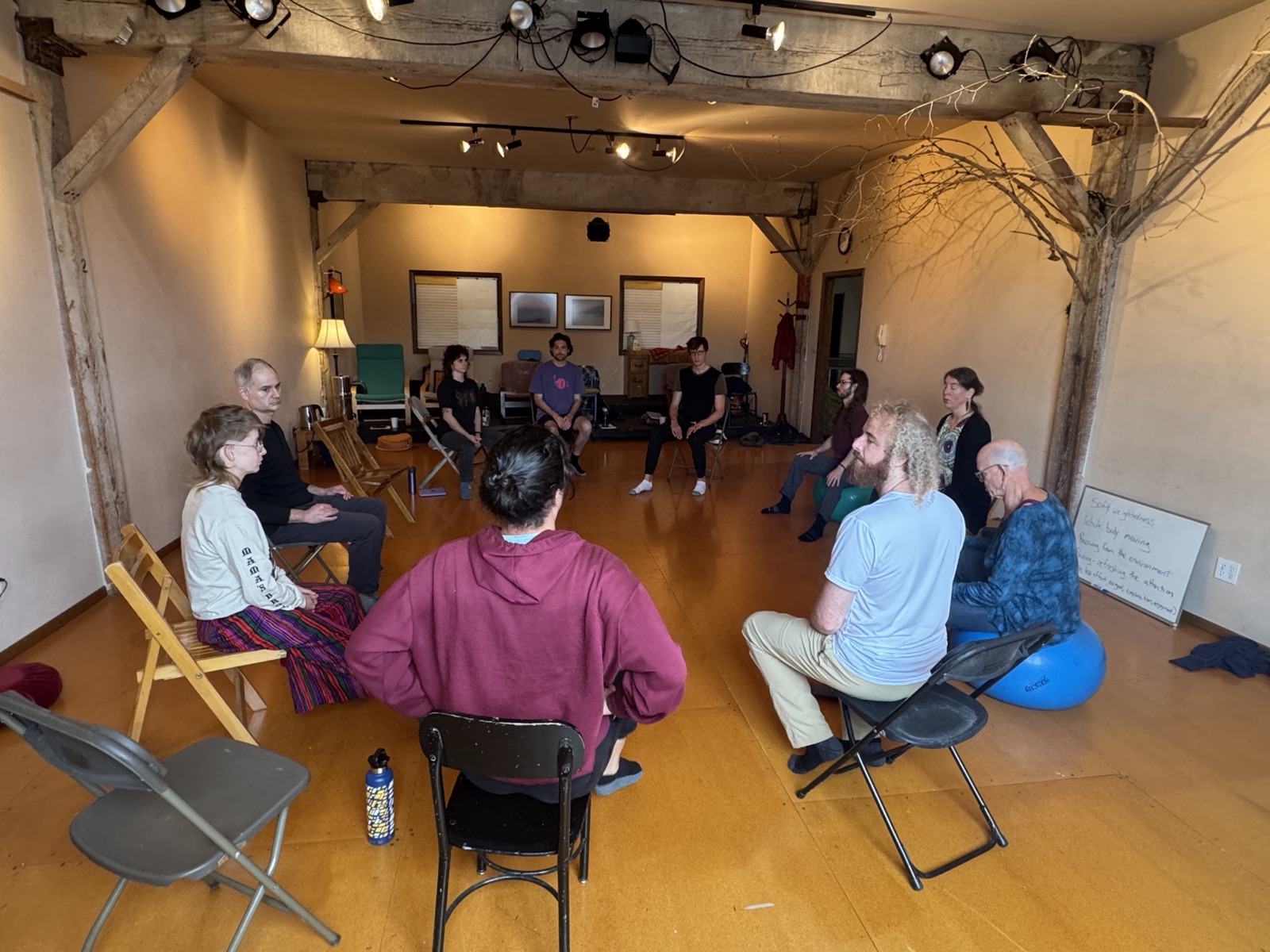
2127 N Albina Ave, Portland
Alexander Technique offers tools to bring us into the present moment to undo patterns that can cause pain in the body. Pain isn't inherently negative. It's information. When your brain concludes you're under threat, it sends pain signals to protect you. That's useful when your hand touches a hot stove. But not all pain responds to a real threat. Chronic pain in particular is often a habit: either a habitual response from the brain, or a response to habitual ways of using the body. The Alexander Technique gives you choices in relation to both.
Sometimes pain comes from how we carry and use ourselves. Most of these habits were once needed. If you break your collarbone, you learn to go about life without moving that arm. Ten years later, that compensation may no longer serve you and may be causing pain. The Alexander Technique brings awareness to the habits getting in the way of your ease, gives you an experience of an alternative, and provides tools to find that alternative on your own.
Other times, the brain learns to associate an activity, movement, or part of the body with pain. That pattern keeps running whether or not there's any real threat. The Alexander Technique brings you into the present moment to ask whether you're actually threatened right now. AT also helps release the tension pattern tied to the perceived threat, so you can respond to your actual conditions instead of your habit.
- Recognize old habits and compensations that may be adding strain long after they were needed
- Practice pausing to ask whether you're actually threatened in the present moment
- Experience the release of habitual tension through gentle, hands-on guidance
- Take home tools to choose a new response on your own
No experience needed. Wear comfortable clothes. All bodies welcome — you need not have pain to attend.
You can learn more about Lyra and her work at alexandertechniqueportland.com.
The Alexander Technique is an educational practice, not medical treatment, and works well alongside the care you already have.
Book This Workshop
Space is limited.
For sliding scale use 10OFF, 20OFF or 30OFF coupon at checkout.
Let's talk it through.
Book a free 10-minute call to ask whatever you'd like — what a workshop is actually like, whether this one is a good fit for you, or anything about the Technique itself.